Why E-E-A-T is the Ultimate SEO Ranking Factor in 2026
In the early days of SEO, ranking on the first page of Google was a matter of mathematics: you needed a certain keyword density on your page and a specific number of external backlinks pointing to it. As we navigate 2026, those legacy tactics are no longer enough to guarantee visibility.seoprofy
As AI-generated content floods the internet—accounting for over 17% of top search results as of recent tracking—search engines have aggressively pivoted to protect user experience. To separate human expertise from AI spam, Google relies on a framework known as E-E-A-T: Experience, Expertise, Authoritativeness, and Trustworthiness. If your website lacks these signals, no amount of technical optimization will save your rankings.
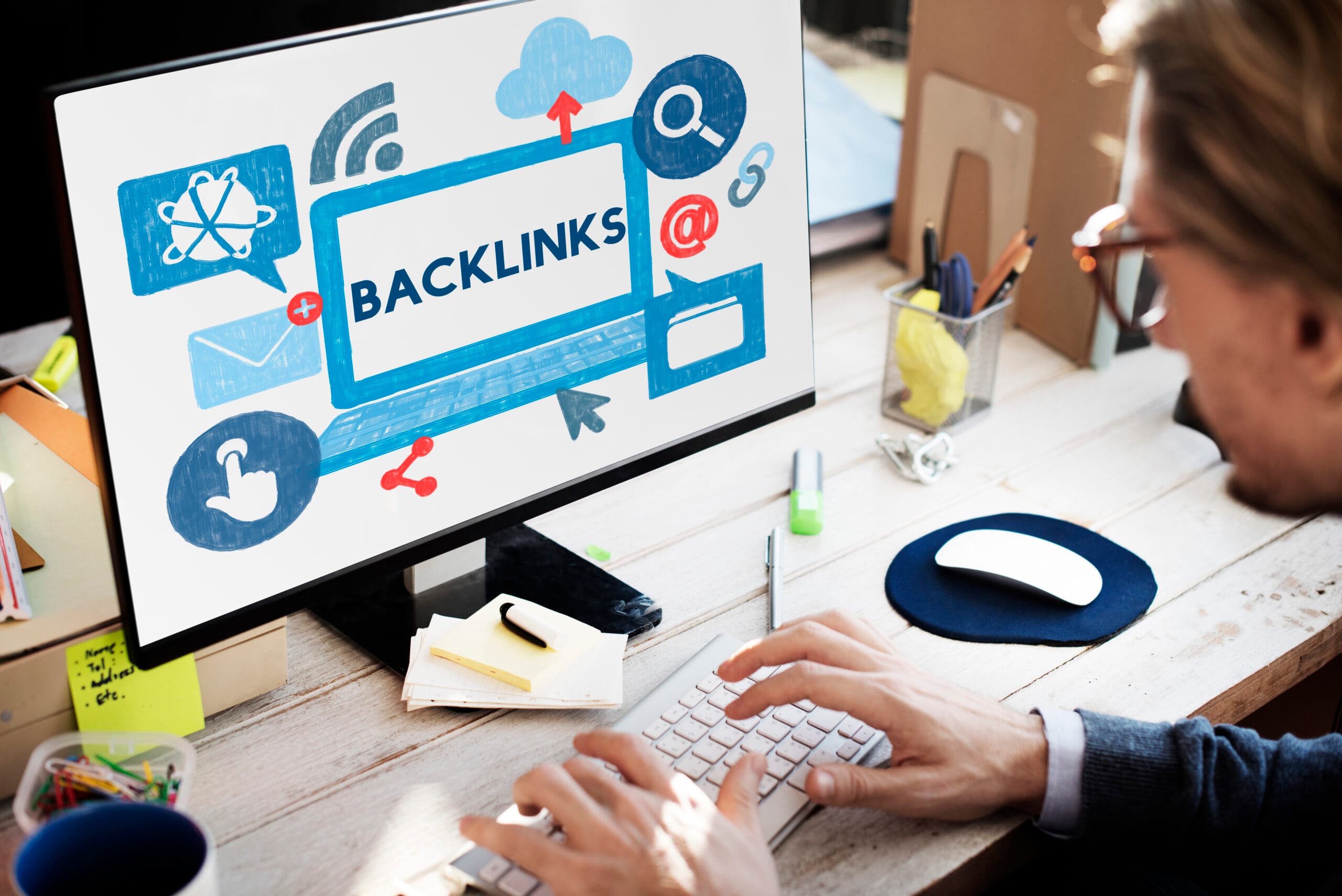
The Decline of the Isolated Backlink
How to Build E-E-A-T into Your Content
Building E-E-A-T cannot be faked with AI tools. It requires a deliberate strategy to showcase real human experience.
How to Build E-E-A-T into Your Content
The most critical shift in 2026 is how people search for information. Consumers are no longer just typing keywords into traditional search engines; they are having conversational queries with AI systems like ChatGPT, Google’s AI Overviews, and Perplexity.
Here is the problem: these AI systems synthesize answers by pulling data from crawlable websites. If your business information, pricing, and services are locked behind the walled gardens of Instagram or a closed Facebook group, you are largely invisible to the AI tools that millions of people now use daily to find local services and products. AI engines cannot “watch” your TikToks to understand your service offerings. They need structured text, clear headings, and crawlable data. If you don’t have a website, your competitors who do will be the only ones recommended by the AI.
The "Link-in-Bio" and Google Business Profile Objection
At this point, you might be thinking: “I don’t need a full website. I have a Google Business Profile (GBP) and a Linktree in my bio. Isn’t that enough?” It is a fair objection, and it is exactly what many modern founders weigh. However, treating a GBP or a link-in-bio as a replacement for a website is like treating a directory listing as a storefront.
The limits of a Google Business Profile
A GBP is vital for local SEO, but it is heavily restricted. You cannot fully brand it, you cannot control the narrative if a negative review hits, and you cannot build deep content clusters (like FAQs or case studies) that prove your expertise to high-paying clients. Furthermore, Google frequently suspends GBPs for minor verification errors, leaving you stranded.
The limits of a link-in-bio
Tools like Linktree are just routing mechanisms. They do not build domain authority. They do not capture organic search traffic. When someone clicks your link-in-bio, they are usually directed to a disjointed mix of Google Docs, payment forms, or scheduling apps. It creates friction, and friction kills conversions. A proper website unifies your GBP, your social presence, and your booking systems into one frictionless, high-converting ecosystem.
The Cost Objection is Weaker Than Ever
Five years ago, a custom website might have felt like a massive capital expense. Today, the cost objection is weaker than ever. The barrier to entry has plummeted thanks to advanced visual builders, AI-assisted design tools, and scalable hosting options.
You no longer need to spend $15,000 to get a high-performing, fast-loading, minimalist website. In 2026, a professionally designed, fast-loading, and SEO-optimized foundational website typically ranges from $2,500 to $5,000, depending on the complexity of your integrations.
Your next steps
If your business is currently relying on rented land, it is time to build your own asset. Start by registering your domain name and defining the core action you want users to take (e.g., booking a call or buying a product). Then, invest in a clean, fast-loading site that clearly states your value proposition. In the age of AI search, existing on a platform is not enough; you must own your space on the web.